707 Ransomware
Our cybersecurity specialists have thoroughly dissected the encryption mechanisms behind the 707 ransomware and created a dedicated decryption solution to restore files marked with the .707 extension. Designed for modern Windows platforms, this tool is capable of tackling intricate encryption methods with a strong emphasis on precision and safety.
The 707 decryptor operates using a secure, AI-powered analysis framework. It examines the locked files without altering them, then initiates a multi-step decryption cycle powered by proprietary algorithms obtained through reverse-engineering the 707 ransomware’s unique encryption code. This approach significantly lowers the risk of file corruption or data loss while enhancing recovery success rates.
How Our Decryptor Operates
The decryption process relies on a sequence of coordinated actions:
- Encrypted File Examination – Each locked file undergoes scanning to determine its encryption type and confirm compatibility with our decoding algorithms.
- Victim Identification Matching – Where possible, unique codes from the ransom note are used to ensure the correct encryption set is targeted.
- Key Extraction and Testing – The decryptor attempts multiple cryptographic key variations to find the one that matches your encryption pattern.
- Controlled File Restoration – Data is returned to its original state inside a secure recovery environment to protect its integrity.
Urgent Steps to Take Following a 707 Ransomware Incident
Responding swiftly after a 707 infection is vital. These actions help safeguard remaining files and increase your chances of full recovery:
- Disconnect Immediately – Remove the infected device from the internet and local networks to stop the ransomware from spreading.
- Save Ransom Notes and Encrypted Files – Retain the RECOVER-FILES.html ransom note and all locked files for further technical analysis.
- Avoid System Restarts – Rebooting might trigger additional malicious scripts or erase potential recovery points.
- Get Expert Assistance – Using random online decryption tools can make the situation worse; consult a ransomware recovery specialist first.
Data Recovery Solutions for 707 Ransomware Victims
No-Cost Recovery Methods
- Restoring from Backups
If you have pre-attack backups stored offline or in secure cloud storage, they’re your safest recovery option. Backups that are immutable or stored on physically separate drives offer the highest success rate. Always check the integrity of backups before restoring. - Recovering via Shadow Volume Copies
On some systems, older versions of files might still exist in Windows’ shadow copies. Features like “Previous Versions” or tools like Shadow Explorer can be used, but 707 ransomware often deletes these copies during infection. - File Fragment Recovery
If the ransomware didn’t overwrite the original file data, digital forensic tools may be able to reconstruct partial or complete files through file carving techniques.
Paid Recovery Solutions
Our Proprietary 707 Decryptor
For those without backups or needing partial recovery, our custom-built decryptor offers a reliable and professional option.
Advantages include:
- AI-driven recognition of encryption patterns
- Read-only scans to ensure no damage before modifications
- High efficiency with large datasets
Steps for Use:
- Upload samples of encrypted files along with the ransom note to our secure portal.
- Our system will confirm whether your ransomware variant is supported and provide a recovery timeframe.
- Run the decryptor in administrator mode, either on the infected device or an isolated recovery computer.
- Once complete, your restored files will appear in a secure output directory.
Paying the Threat Actors (Not Recommended)
While paying the ransom may result in receiving a decryptor tied to your Victim ID, there are significant dangers:
- No guarantee of receiving a working tool
- Possible partial recovery only
- Risk of malware embedded in the provided decryptor
- Legal implications in certain countries
Technical Insights into 707 Ransomware
General Description
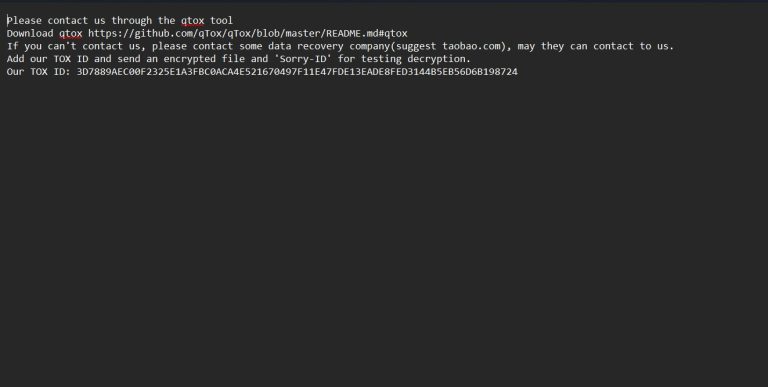
707 ransomware encrypts files and renames them with the .707 extension. It leaves a ransom demand in the form of an HTML file named RECOVER-FILES.html, instructing victims to pay for a decryptor.
Key Indicators of Compromise (IOCs)
- File Extension: .707
- Ransom Note: RECOVER-FILES.html
Typical ransom note text:
Your files are Encrypted!
For data recovery needs decryptor.
If you want to buy a decryptor, click the button
Yes, I want to buy
Free decryption as guarantee.
Before paying you can send us 1 file for free decryption.
To send a message or file use this link.
( If you send a file for free decryption, also send file RECOVER-FILES.HTML )
Support
File Alterations
- Renames original files with .707 appended.
Antivirus Detections
- Avast: Win32:Trojan-gen
- ESET: Win32/Filecoder.FV
- Kaspersky: Trojan-Ransom.Win32.Purgen.fk
- Microsoft: Ransom:Win32/Ergop.A
Communication Methods
- Primarily uses TOR-based links for contact.
Tactics, Techniques, and Procedures (TTPs)
- Initial Access: Delivered through phishing emails, malicious installers, pirated software downloads, or torrent files.
- Execution: Begins encryption when the victim opens the infected file.
- Persistence: May schedule recurring tasks or modify Windows registry settings.
- Encryption Method: Likely hybrid encryption, making recovery impossible without the proper private key.
- Data Theft: Not confirmed, but possible in future versions.
Tools Used by the Ransomware Operators
- Phishing kits for sending infected attachments
- Trojan droppers to install ransomware payloads
- Custom-built encryption modules with unique extensions
Victim Profile & Attack Reach
Top Countries Affected

Industries Targeted
Timeline of 707 Attacks

How to Reduce the Risk of Future Attacks
- Maintain regular backups in offline or immutable storage systems
- Keep antivirus and endpoint protection software updated
- Train employees to recognize phishing attempts
- Apply software patches promptly
- Restrict execution of unknown files
Conclusion
707 ransomware is a severe threat capable of causing permanent data loss. While free recovery approaches exist, their success is limited without secure backups. Our professional decryption service provides a vetted, safe route for recovery. Acting quickly, following proper containment procedures, and avoiding risky self-repair methods will give you the best shot at restoring your files.
Frequently Asked Questions
Can .707 files be decrypted without paying?
No reliable public decryption tool exists for active variants.
Is the ransom note important for recovery?
Yes — many decryption methods require the note to identify the encryption batch.
What’s the cost for professional recovery?
Costs depend on the amount of data and encryption complexity; initial assessments are free.
Does 707 ransomware affect servers?
Yes, it can also encrypt files stored on network drives and servers.
Is paying the ransom a safe option?
No. There’s no certainty you’ll get working decryption tools.
MedusaLocker Ransomware Versions We Decrypt