Gunra Ransomware Decryptor
Comprehensive Guide to the Gunra Ransomware Decryptor
Gunra ransomware has rapidly gained notoriety as a high-impact cyber threat, capable of inflicting severe damage on both individual systems and enterprise networks. By penetrating vulnerable systems, encrypting critical files, and demanding cryptocurrency payments for a decryption key, it holds data hostage and disrupts operations. This detailed guide explores how Gunra ransomware works, the consequences it brings, and how a specialized decryption tool can assist in recovering your locked data.
Unveiling the Gunra Decryptor: A Specialized Solution for Data Recovery
The Gunra Decryptor is a purpose-built tool designed to unlock files encrypted by Gunra ransomware. It offers victims a way to regain access to their data without yielding to ransom demands. By combining cutting-edge decryption algorithms with secure server-side processes, the tool provides a trustworthy and efficient recovery method.
Key Capabilities of the Gunra Decryptor
- Targeted File Decryption
Specifically engineered to handle files encrypted by Gunra ransomware, including those with the .encrt extension. - Secure and Intelligent Processing
The decryption is executed via dedicated, encrypted online servers, ensuring both security and data integrity. - Easy-to-Use Interface
Designed with simplicity in mind, it accommodates users with varying technical expertise. - Safe and Non-Destructive
The tool does not alter, damage, or delete any files during the recovery process. - Satisfaction Guarantee
If the tool fails to decrypt your data, a full refund is offered to ensure peace of mind.
Gunra Ransomware’s Targeting of VMware ESXi Environments
Focused Attacks on Virtual Infrastructure
Gunra includes a variant that is tailored to compromise VMware’s ESXi hypervisor, which is widely used in enterprise virtualization. This version of the malware can cause widespread disruption by encrypting virtual machines (VMs) hosted on ESXi servers, effectively crippling virtual infrastructure.
Attack Mechanism: How the ESXi Variant Works
- Hypervisor Vulnerability Exploitation
The ransomware scans for and exploits weaknesses within the ESXi environment to infiltrate VMs. - Sophisticated Encryption
Employing RSA and AES algorithms, it locks down virtual machines, rendering them inaccessible until a ransom is paid. - Ransom Demands and Threats
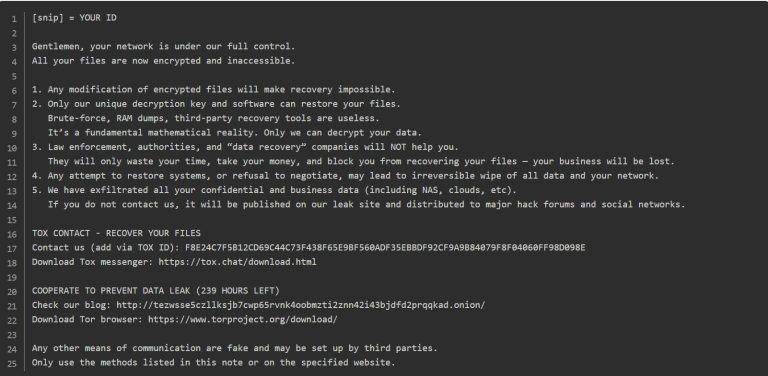
Victims are faced with ransom notes demanding cryptocurrency payments, often under a time limit. Failure to pay may result in permanent loss of decryption keys.
ESXi Impact Overview
- Service Interruptions
Entire virtual environments may become unresponsive, halting business-critical operations. - Financial Fallout
Organizations may suffer substantial losses through ransom payments, system downtime, and recovery costs. - Data Security Risks
Compromised VMs may lead to the exposure or theft of confidential data.
Gunra’s Assault on Windows Server Infrastructure
How Gunra Targets Windows-Based Systems
Gunra ransomware doesn’t limit itself to virtual environments—it also targets Windows servers, which are fundamental to most business IT ecosystems. These systems often host sensitive data and run essential services, making them especially attractive to attackers.
Attack Strategy and Execution
- Exploitation of System Weaknesses
Gunra leverages misconfigurations or unpatched vulnerabilities within Windows Server setups to gain entry. - File and Database Encryption
The ransomware encrypts stored files using a combination of AES and RSA encryption, ensuring that data is locked without the private key. - Demand for Cryptocurrency Payments
Victims are instructed to pay in Bitcoin or other digital currencies to receive the decryption key.
Consequences for Windows Server Environments
- Permanent Data Lockout
Without backups or a working decryptor, affected files may remain inaccessible. - Operational Paralysis
Businesses may be forced to halt operations, leading to missed deadlines and customer dissatisfaction. - Damage to Brand and Trust
The reputation of an affected organization may suffer, especially if sensitive customer data is compromised.
Using the Gunra Decryptor Tool: A Step-by-Step Walkthrough
How to Initiate File Recovery
- Purchase and Access
To obtain the decryptor, contact us via WhatsApp or email. Once payment is confirmed, you’ll receive immediate access to the software. - Run with Administrative Privileges
Launch the tool as an administrator to ensure proper functionality. A constant internet connection is required to communicate with our secure servers. - Enter Victim-Specific ID
Extract the unique Victim ID from the ransom note and input it into the tool to match the encryption type and start the decryption. - Start Decryption
Begin the process and allow the tool to decode and restore your files to their original state.
Note: The Gunra Decryptor requires a stable internet connection to reach our encrypted decryption servers.
Recognizing the Signs of a Gunra Ransomware Infection
Early detection can be crucial in preventing further spread and data loss. Watch for the following indicators:
- Unusual File Extensions
Files may be renamed with .encrt or similar suffixes, indicating encryption. - Presence of Ransom Instructions
Files like r3adm3.txt typically appear on the desktop or in affected folders, outlining ransom details. - System Resource Spikes
High CPU and disk usage may occur as the ransomware encrypts large volumes of data. - Unexpected Network Activity
The malware often connects to command-and-control (C2) servers, resulting in suspicious outbound traffic.
Organizations Affected by Gunra
Gunra ransomware has impacted numerous sectors—from healthcare and finance to manufacturing and education. These incidents emphasize the growing need for comprehensive cybersecurity defenses and incident preparedness.
Encryption Techniques Used by Gunra
Gunra employs a mix of powerful encryption methods to secure its grip on victim data:
- RSA (Asymmetric Encryption)
Utilizes a public key for encryption and a private key for decryption, making brute-force attacks virtually impossible. - AES (Advanced Encryption Standard)
A symmetric encryption algorithm used to encrypt the actual file content, making the data unreadable without the proper key.

Proactive Steps to Prevent Gunra Ransomware Infections
Regular System Updates and Patching
Keep all operating systems, applications, and hypervisors updated with the latest security fixes and patches.
Strengthen Access Management
Implement multi-factor authentication (MFA) and limit access permissions based on user roles. Monitor for unauthorized logins.
Network Architecture Improvements
Segment networks using VLANs and firewalls, and disable unnecessary services like RDP or SMB where possible.
Backup Strategy Implementation
Follow the 3-2-1 backup rule: three copies of your data, on two types of storage media, with one kept off-site. Test backups frequently.
Deploy Advanced Endpoint Security
Use EDR (Endpoint Detection and Response) and updated antivirus tools to identify and isolate threats early.
Employee Awareness and Training
Conduct ongoing training sessions to educate staff about phishing, malicious attachments, and cyber hygiene practices.
Utilize Enterprise-Level Security Tools
Deploy intrusion detection/prevention systems (IDS/IPS), real-time network monitoring, and automated threat response tools.
The Lifecycle of a Ransomware Attack
Gunra ransomware, like most strains, follows a well-defined attack path:
- Initial Access: Gained through phishing, weak RDP configurations, or unpatched software.
- File Encryption: Data is encrypted using a hybrid of AES and RSA algorithms.
- Extortion: Victims receive instructions demanding crypto payments.
- Threat of Exposure: If ignored, attackers may leak sensitive stolen data to pressure victims.
The Aftermath: Damage Caused by Gunra Ransomware
Business and Financial Impact
- Service Disruption: Inability to access essential data can bring business operations to a standstill.
- Monetary Losses: Beyond ransom demands, affected entities face downtime costs, legal fees, and recovery expenses.
- Reputational Harm: Leaked data or prolonged outages can result in lost trust and future business opportunities.
Alternative Recovery Methods (Free Options)
While the Gunra Decryptor is a premium solution, the following free alternatives can be explored:
- Free Decryption Tools
Visit trusted platforms like NoMoreRansom.org to see if a matching decryptor is available. - Offline Backups
Restore encrypted data from external or offline backup devices. - Shadow Volume Copies
Use tools like vssadmin to check for and restore from previous volume shadow copies. - System Restore
If enabled, revert the system to a prior restore point. - File Recovery Software
Programs like Recuva or PhotoRec may help recover unencrypted versions of lost files.
Gunra ransomware poses a serious and evolving threat to data and infrastructure. However, with the right tools and preventive strategies in place, its impact can be minimized. The Gunra Decryptor Tool offers a reliable, secure, and user-friendly solution
MedusaLocker Ransomware Versions We Decrypt