SafeLocker Ransomware Decryptor
SafeLocker ransomware has emerged as a major cybersecurity hazard, wreaking havoc across digital infrastructures by encrypting crucial data and demanding cryptocurrency in return for decryption keys. This in-depth guide dives into the nature of SafeLocker attacks, their devastating consequences, and effective methods for data restoration, with a particular focus on a dedicated decryptor tool engineered to reverse the damage.
What Is the SafeLocker Ransomware Decryptor?
The SafeLocker File Decryptor is a specially crafted tool designed to unlock files affected by the SafeLocker strain of ransomware. It eliminates the need for ransom payments by employing secure, high-performance decryption protocols. Utilizing cutting-edge algorithms and cloud-connected secure servers, this tool enables victims to regain access to their locked files safely and efficiently.
Compatible with NAS and QNAP Devices
In addition to standard systems, the decryptor is equipped to handle encrypted data on QNAP and other network-attached storage devices—provided these storage volumes remain intact and accessible post-attack.
Notable Features of the SafeLocker Decryptor Utility
Specialized to work with files tagged by SafeLocker, including those marked with the distinctive “.8xUsq62” extension.
By using secure online decryption environments, the tool ensures no file corruption or data loss occurs during recovery.
The interface is designed for ease of use, accommodating users regardless of technical background.
The tool is programmed to avoid any modification or deletion of existing data.
If the decryption process is unsuccessful, a money-back policy offers reassurance and peace of mind to users.
SafeLocker’s Assault on VMware ESXi Infrastructure
Targeting Virtual Environments
A dangerous variant of SafeLocker ransomware has been developed to attack VMware’s ESXi hypervisor—critical for virtualized environments in enterprise systems. This version compromises virtual machines (VMs), effectively paralyzing operations.
Operational Tactics and Features
- ESXi Exploits: The malware infiltrates via unpatched ESXi vulnerabilities.
- Dual-Layer Encryption: Implements RSA and AES encryption to render VM files unusable.
- Crypto Ransom Demands: Victims face deadlines to pay ransoms in digital currency, under threat of permanent data loss.
Consequences for Virtual Infrastructures
- Extended Downtime: Services and operations reliant on virtual machines may cease entirely.
- Monetary Damages: Organizations may suffer steep financial losses from extortion and system recovery.
- Confidentiality Breaches: Sensitive information from VMs may be extracted and leaked.
Infiltration of Windows Servers by SafeLocker
Focus on Windows-Based Servers
SafeLocker also takes aim at Windows servers—core components of IT operations—due to their role in housing essential business data and applications.
Attack Mechanisms and Characteristics
- Exploiting Server Weaknesses: Uses misconfigurations or vulnerabilities in the Windows Server OS.
- File Encryption: Implements AES and RSA algorithms to lock files and obstruct access.
- Ransom Instructions: Victims are coerced to transfer Bitcoin in return for unlocking their data.
Ramifications of a Server Compromise
- Loss of Vital Data: Files may become permanently inaccessible without a decryptor or viable backup.
- Business Interruption: Services and operations may be halted, impacting productivity.
- Trust Erosion: Public disclosure or service disruption may damage the organization’s reputation.
How to Operate the SafeLocker Decryption Tool
Follow These Instructions Carefully
- Secure the Tool: Reach out via email or WhatsApp to purchase the SafeLocker Decryptor securely. Immediate access is provided post-purchase.
- Run with Admin Rights: Start the tool as an administrator. Ensure your system is online to connect with secure servers.
- Input Victim ID: Extract your victim ID from the ransom note and enter it into the tool to authenticate the process.
- Begin Decryption: Initiate the decryption task and allow the tool to process and restore your data.
⚠️ Note: A stable internet connection is mandatory for the decryptor to function effectively.
Recognizing a SafeLocker Ransomware Infection
Warning Signs of Infection
Early identification can prevent catastrophic damage. Watch out for:
- Modified File Extensions: Encrypted files display unusual suffixes such as “.8xUsq62”.
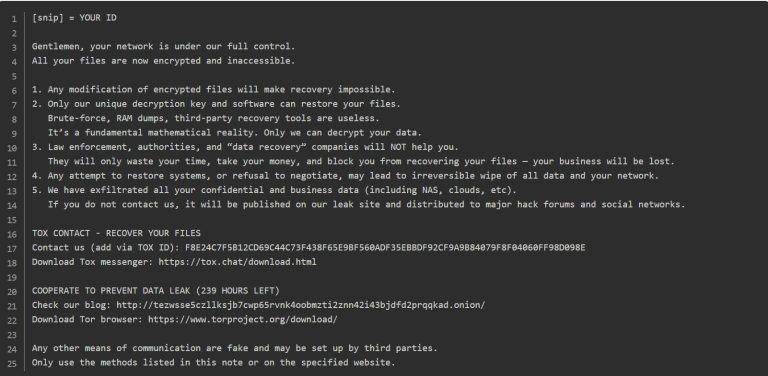
- Ransom Demands: Text files like “OpenMe.txt” appear, containing instructions for payment and contact details.
Detailed context of the ransom note:
#$$-__%$$#
__$$%^^__#@$##
Your Files Are Encrypted.
Your Documents, Downloads, Videos, etc.
But Do Not Worry, As I Possess The Key To All Of Your Problems.
In Order to Retrive It, You Must Pay.
Follow The Steps Listed Below:
1. Download the TOR browser at hxxps://torproject.org/
2. Visit any of the darknet sites listed below:
–
3. Send $7000 USD worth of bitcoin to the address listed below: (NOTE: The transaction MUST be made through my servers!)
Bitcoin Address: 1B7VXP1F6tLi8uK5GNNFpdZeNDGauygikV
4. Once your payment Has been received, I will email you the decryption key and software in due time.
WARNING:
Do Not RENAME Any Encrypted Files, As This May Cause Problems During Decryption.
Use Of Third-Party Software To Try and Decrypt Files Will Not Work. This Is Because This Ransomware Operates With Two Unique Encryption And Decryption Keys That Were Generated Upon Its Creation And Made Specifically For This Ransomware. Use of Third-Party Software Will Also Result In The Price For Decryption Being Increased.
Refusal To Pay The Ransom Within 48 Hours Will Result In The Decryption Key Being Destroyed And Your Files Will Be Lost FOREVER.
I’m Sure You Can Manage.
Kind Regards
SafeLocker
@$$_–_%$##$-
@@!$$+_–_$$%%^^^*
##$$$__—^%$##!-+===$%^
- Performance Slowdowns: CPU and disk usage spike as files undergo encryption.
- Anomalous Network Behavior: Unexpected outbound traffic suggests communication with malicious servers.
Real-World Victims of SafeLocker Ransomware
SafeLocker has struck organizations across numerous industries, including finance, education, healthcare, and technology. These breaches have led to massive operational downtimes, financial losses, and data exposure, underlining the importance of robust cybersecurity infrastructure.
Encryption Techniques Used by SafeLocker
Dual Encryption for Maximum Obfuscation
- RSA Encryption (Asymmetric): Employs a key-pair system for locking and unlocking files.
- AES Encryption (Symmetric): Adds an additional layer of security, making brute-force attacks nearly impossible without the decryption key.
Proactive Cybersecurity: Best Defense Practices
- Install patches for operating systems, firmware, and all installed software.
- Subscribe to vendor alerts for newly discovered vulnerabilities.
- Implement MFA (multi-factor authentication) for all critical systems.
- Use the principle of least privilege (PoLP) to limit user access.
- Divide networks into isolated zones.
- Use firewalls, VLANs, and DMZs to prevent lateral movement of malware.
- Follow the 3-2-1 rule: 3 copies, 2 media types, 1 offsite.
- Conduct routine tests of your backups to verify data integrity.
- Use endpoint protection platforms (EPP) and endpoint detection & response (EDR).
- Regularly scan for suspicious activities using intrusion detection systems (IDS).
- Offer regular workshops to identify phishing attempts and suspicious behavior.
Lifecycle of a SafeLocker Ransomware Attack
- Initial Breach: Via malicious email links, RDP exposure, or software flaws.
- Encryption Phase: Data is locked using robust cryptographic techniques.
- Ransom Notification: Victims receive demands for payment in crypto.
- Potential Data Exposure: If the ransom is ignored, sensitive data may be released or sold.
Consequences of a SafeLocker Infection
Major Impacts
- Disrupted Operations: Entire businesses may grind to a halt.
- High Costs: Expenses include ransom, downtime losses, and remediation.
- Brand Damage: Trust deficits and public scrutiny can have long-term repercussions.
Alternative Recovery Options (Free Solutions)
If using the official decryptor isn’t viable, these recovery paths may help:
- NoMoreRansom.org: A reputable source for free ransomware decryptors.
- Data Backups: Restore systems using offline, uninfected backup copies.
- Shadow Volume Copies: Retrieve past file versions via Windows’ built-in shadow copies.
- System Restore: Roll back to a pre-attack restore point, if available.
- File Recovery Tools: Use applications like Recuva or PhotoRec for partial recovery.
Conclusion
SafeLocker ransomware represents a growing threat in today’s digital landscape. Its ability to disrupt critical systems and encrypt sensitive data makes it a formidable adversary. Nonetheless, with the right tools—such as the SafeLocker Ransomware Decryptor—and a strong cybersecurity framework, individuals and enterprises can navigate these challenges effectively. Preparedness, ongoing vigilance, and continuous education remain key to minimizing risk and ensuring fast recovery.
MedusaLocker Ransomware Versions We Decrypt